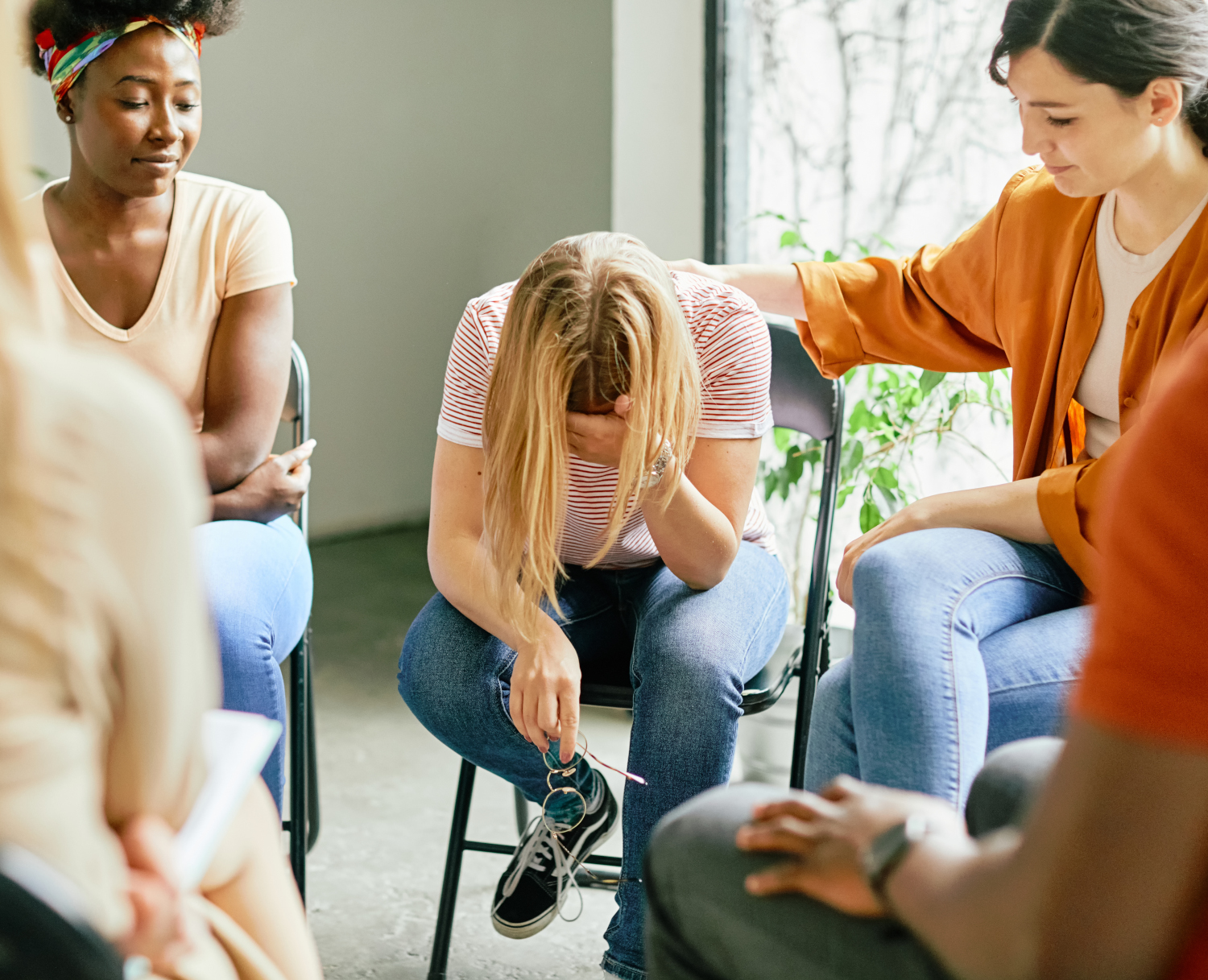
When using becomes a way to feel safe
Trauma is one of the most common roots of addiction, and it is also one of the most ignored. People like simple stories. They want addiction to be about bad choices, weak morals, bad friends, or someone who just does not care. Trauma makes the picture uglier and more honest, because trauma changes the body. It changes sleep, attention, threat detection, emotional regulation, and the ability to trust. When your nervous system is stuck in threat mode, substances can feel like the first real relief you have had in years. That relief is not a luxury, it feels like survival, and that is why trauma and addiction so often become welded together.
In South Africa, trauma is not rare. It is layered and normalised. People grow up around violence, accidents, abuse, neglect, community instability, and chronic stress, and they learn to “just carry on” because that is what you do when no one is coming to rescue you. Many people never name what happened as trauma. They call it life. They call it toughening up. They call it normal. The body does not call it normal. The body remembers. The body reacts. The body stays tense, and when a person discovers a chemical shortcut that turns off the tension for a while, the brain learns fast, this is how we cope.
Two common trauma states
Trauma often pushes people into extremes. Some become wired, anxious, tense, easily startled, irritable, and reactive. They struggle to sleep because the body does not trust the night. They hear noises and assume threat. They struggle in crowds. They struggle in conflict. They struggle with calm, because calm feels unfamiliar and therefore suspicious. These are the people who drink to switch off, who take pills to sleep, who smoke cannabis to quiet racing thoughts, who use anything that slows the nervous system down.
Others become numb. They feel detached, distant, emotionally flat, unmotivated, and disconnected from relationships. They might struggle with pleasure, struggle with intimacy, and struggle to feel meaning. They often look like they do not care, but the truth is they have shut down to survive. These are the people who use stimulants to feel alive, who use alcohol to access emotion, who chase intensity because numbness feels like death.
Some people swing between wired and numb, and that swing can be brutal. They are anxious for days, then crash into depression, then chase relief, then feel shame, then get triggered again. Substances become the switch that changes their state. Over time the person stops learning how to regulate internally and starts regulating chemically.
Trauma and avoidance
Trauma teaches people to avoid. Avoid triggers. Avoid conflict. Avoid vulnerability. Avoid memories. Avoid feeling. Addiction is avoidance in chemical form. It is a way of stepping out of your own life for a while. When trauma and addiction combine, avoidance becomes a lifestyle. The person stops doing anything that might provoke discomfort. They avoid certain places, certain people, certain conversations, certain responsibilities. They may also avoid treatment because treatment requires feeling, and feeling is exactly what they are trying to escape.
Families often misread this as laziness or stubbornness. They say, just move on. Just be strong. Just stop thinking about it. Those phrases sound supportive, but they are actually invitations to avoid, and avoidance is what keeps trauma alive. The person then uses more because they are not developing skills to tolerate discomfort. The result is a shrinking life. The home becomes smaller. Relationships become fewer. Opportunities disappear. The person becomes trapped and then uses to cope with the trap.
Childhood trauma
Many addictions trace back to childhood trauma, not because trauma automatically creates addiction, but because childhood trauma shapes the developing brain. A child who grows up in chaos learns to live in stress. They learn that emotions are dangerous. They learn that adults cannot be trusted. They learn that calm can be interrupted at any moment. They also learn coping strategies, dissociation, avoidance, people pleasing, anger, and self blame. These coping strategies follow them into adulthood.
When that adult discovers a substance that reduces anxiety or fills emptiness, it feels like the missing piece. They may not even connect their use to their childhood. They might say, I just like drinking. I just like how it feels. Underneath, the substance is often soothing a nervous system that has never felt safe. This is why relapse often happens during conflict, rejection, or stress. Those experiences activate the old wound, and the person reaches for the familiar chemical response.
Why trauma survivors often struggle with trust
Trauma damages trust. It damages trust in people, in institutions, and in the self. Many traumatised people believe they must handle everything alone. Asking for help feels like risk. Vulnerability feels like danger. Treatment requires trust, which is why many trauma survivors resist rehab at first. They fear losing control. They fear being judged. They fear being trapped. They fear being forced to talk about things they have spent years avoiding.
If treatment is delivered without trauma awareness, it can fail. A person who is pushed too hard too fast can become overwhelmed and relapse. A person who is shamed can retreat further. A person who is treated like a problem rather than a human being can become defensive and hostile. Trauma informed addiction treatment does not mean making excuses. It means understanding what triggers the nervous system, building safety, and pacing the work so the person can tolerate it without needing chemical escape.
People fall into addiction because substances feel like safety in a body
Trauma and addiction often become linked because substances provide immediate nervous system relief. They quiet the alarm. They numb the pain. They create sleep. They create confidence. They create escape. For a traumatised person, that feels like a lifeline, until it becomes a chain. The way out is not to shame someone for trying to cope. The way out is to build real coping, real stability, and real treatment that respects trauma while refusing to let addiction run the person’s life. When the nervous system learns that the present can be safe, the substance loses its most powerful role, and recovery becomes something practical, not a slogan.